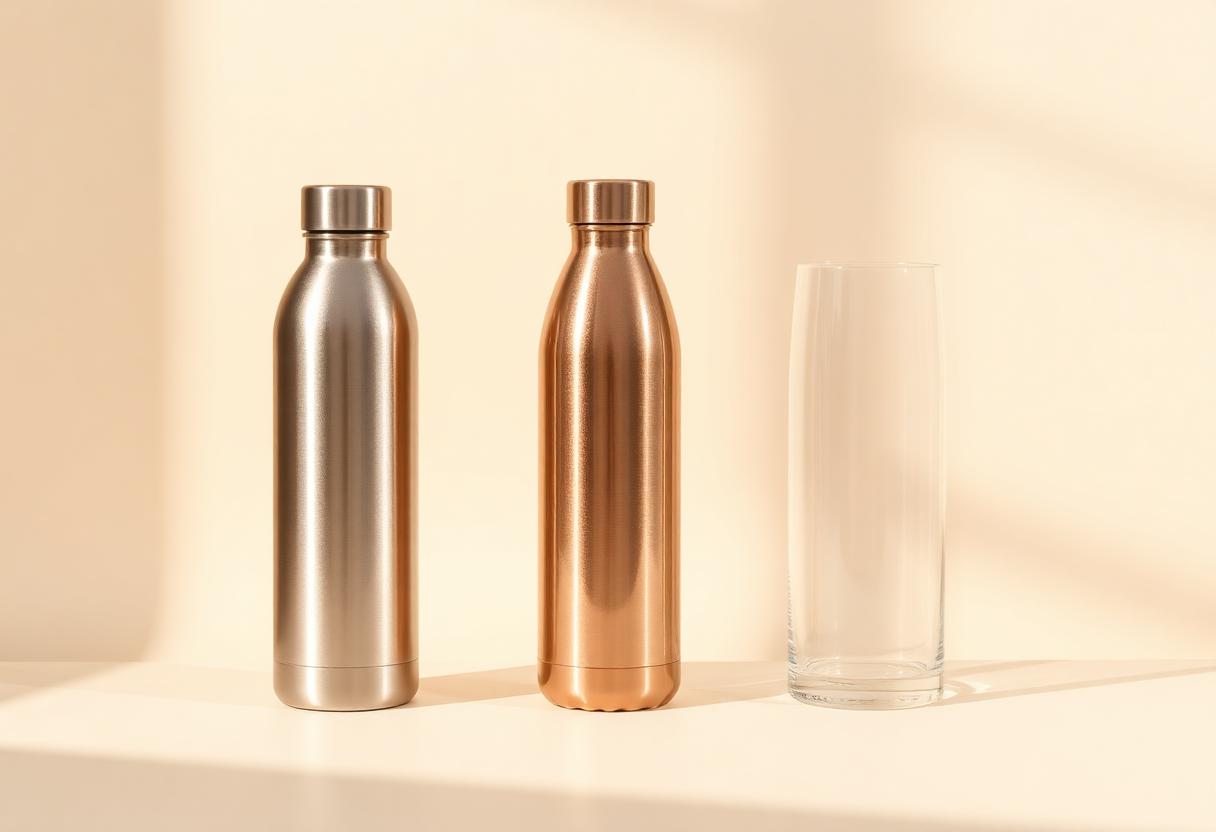
Are Stainless Steel Bottles Safe? Grades Explained
What 18/8 food-grade steel actually means, why it matters, and how to spot a bottle that's genuinely safe.
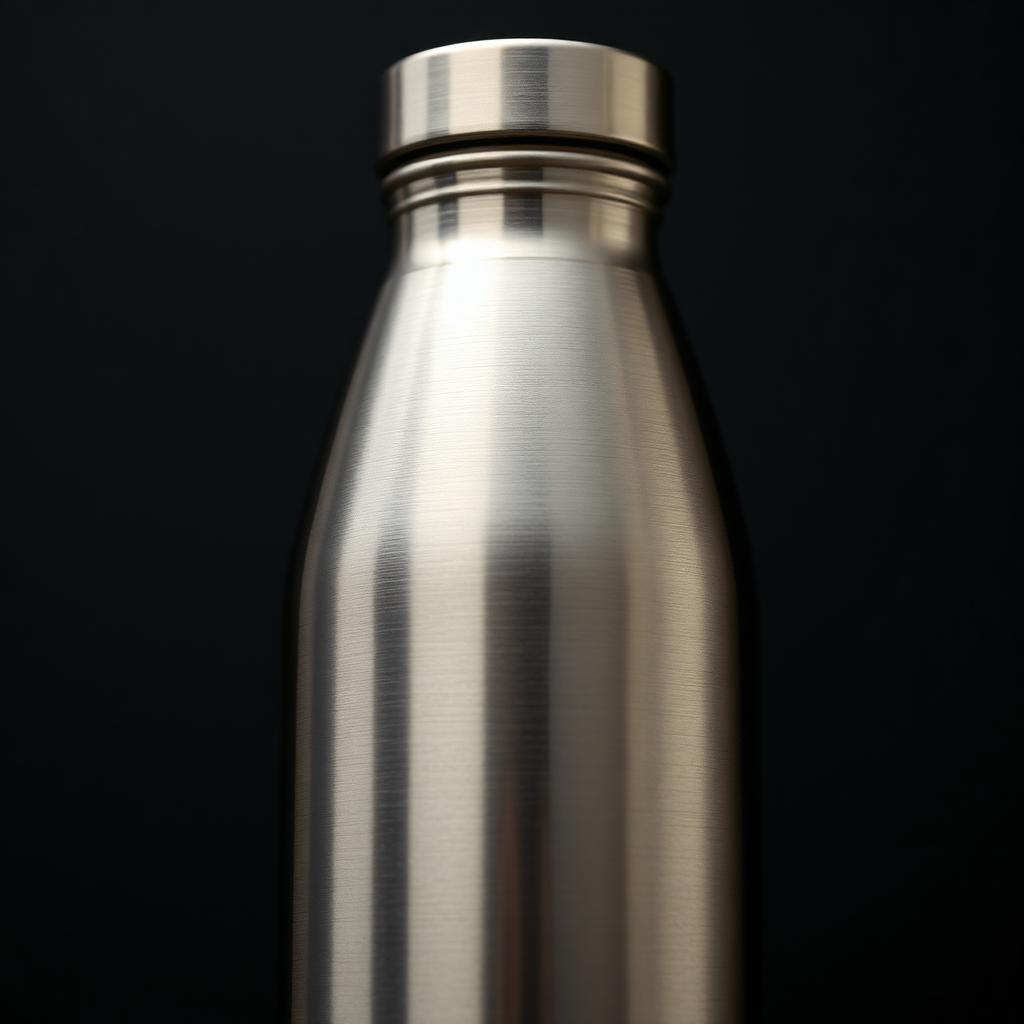
Not all stainless steel is created equal. When a bottle touches your water every day, the grade of steel it's made from genuinely matters — so it's worth understanding the numbers.
What 18/8 means
The two numbers describe the alloy: 18% chromium and 8% nickel added to steel. Chromium forms a passive layer that resists corrosion, while nickel adds strength and a clean finish. 18/8 is part of the 300 series — the food-grade standard used for quality kitchenware.
Why food-grade matters
- It resists rust and corrosion even with daily water contact.
- It's non-reactive, so it won't leach flavours or metallic notes.
- It's durable enough to last for years without degrading.
- It's easy to keep hygienic with simple cleaning.
Look for 18/8 (or 304) food-grade steel — it's the quiet mark of a bottle built to be trusted.
How to choose well
Check that a bottle clearly states food-grade 18/8 steel for the interior. Every SeeVed insulated bottle uses it — so the only thing your water ever tastes is water.
Written by The SeeVed Team — helping you carry better, one bottle at a time.